Why “Just Rest” Is Outdated Advice
By Nathan Cole, OTR/L · Lead Occupational Therapist
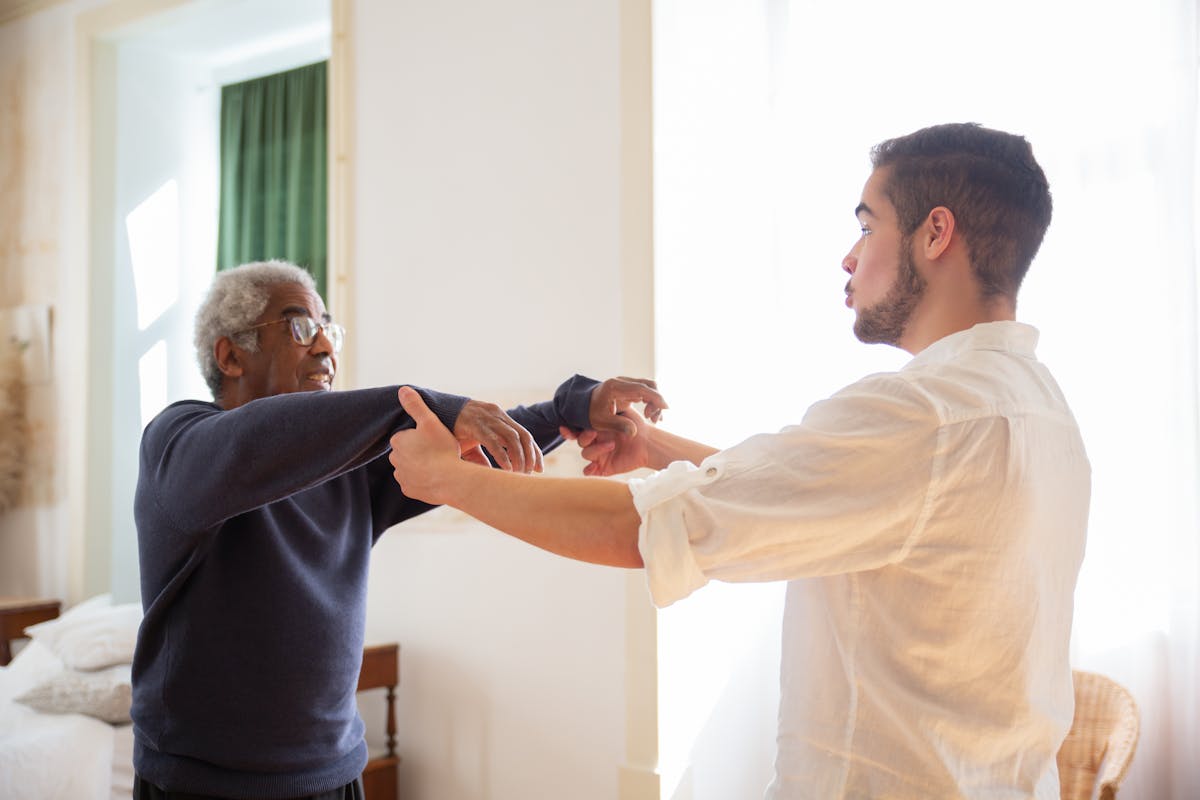
For decades, the default prescription after injury was simple: rest, ice, and wait. It felt safe — but modern rehabilitation science tells a different story. Prolonged rest weakens muscles, stiffens joints, dulls balance, and shrinks confidence. What heals tissue fastest is graded, purposeful activity: the right task, at the right dose, at the right time.
What graded activity looks like
Instead of avoiding a painful task entirely, we scale it. Can’t stand long enough to cook? Start seated, prep one ingredient, and build from there. Each session nudges the dose upward — measured in minutes, repetitions, or task complexity — while symptoms stay within an agreed “safe zone.”
- Start where you succeed. The first step should feel almost easy; confidence is therapeutic.
- Progress one variable at a time. More time, more resistance, or more complexity — never all three at once.
- Track function, not just pain. Dressing time, walking distance, and grip strength tell the truth.
When rest still matters
Graded activity is not “push through everything.” Fresh fractures, acute inflammation, and the first days after surgery genuinely need protection. The skill is knowing when to switch from protection to progression — usually days, not months. That judgment call is exactly what an assessment gives you.
If you’ve been told to rest for weeks with no plan for what comes next, come talk to us. We’ll map your safe starting point and the steps after it.
Ready to move safely again?
Book an Assessment